
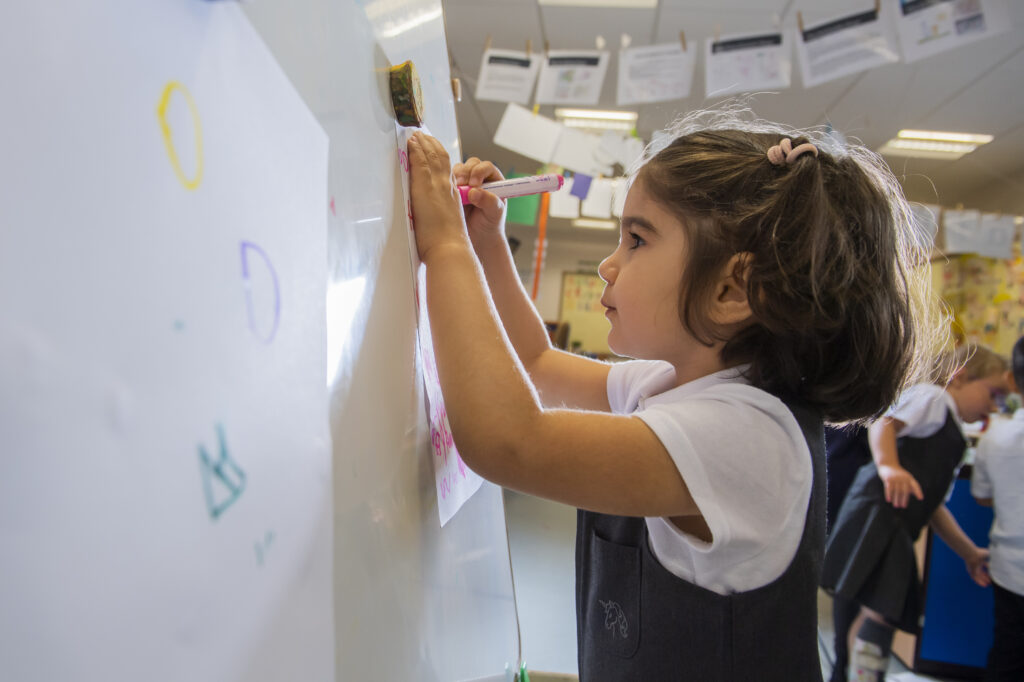
Phonics
Children are fully immersed in daily phonics from Nursery through to Year 2 and beyond. They develop their listening and attention skills as well as following an effective, daily synthetic phonics scheme called First Class Phonics.
This scheme promotes a multi-sensory approach to teaching and learning and provides opportunities for children to independently practice and apply their phonic knowledge to read and spell.
First Class Phonics has a structured progression for teaching graphemes which slows down the pace of teaching but increases the pace of the learning. With First Class Phonics, there is time to teach and practise, but there is also time to revisit and embed.
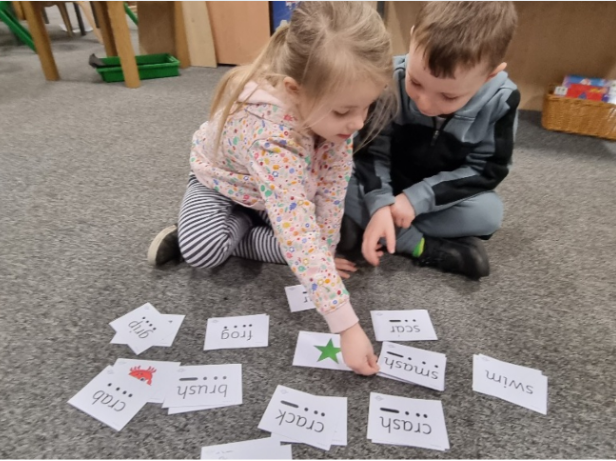
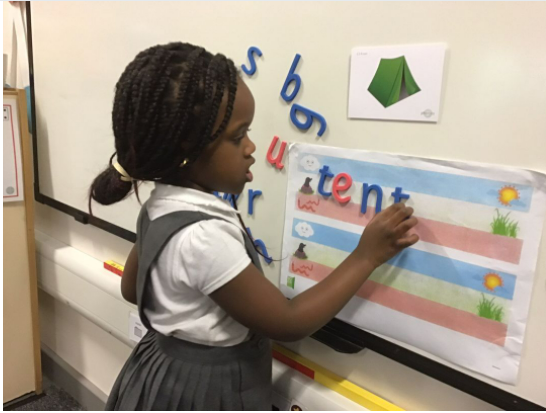
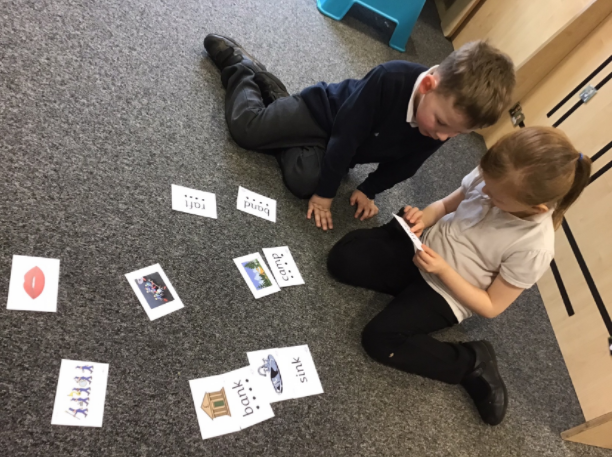
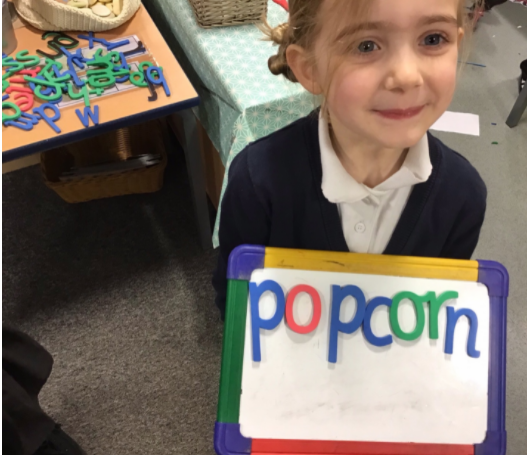
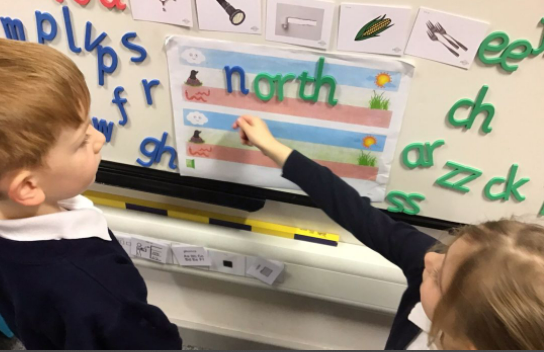
With First Class Phonics there is a systematic progression for teaching word structures which matches up with the demands of all of the popular, recently published reading schemes. It also provides a systematic progression for teaching children to read an increasingly varied range of sentence structures, questions, exclamations and speech which again matches up with expectations in the most widely-used phonically decodable reading schemes. In turn, this enables children to successfully apply newly acquired phonic knowledge and decoding skills into reading phonically decodable books within their guided reading sessions and at home.
First Class Phonics provides a direct link between reading and writing through the weekly teaching sequence. This means that children always learn to read words before being asked to spell them! Our teachers are able to teach new vocabulary using the engaging picture prompts. These same picture cards are used as prompts in the spelling or writing lesson. The children practise orally segmenting first before being expected to spell or write. There is an emphasis on modelling spelling using manipulative resources as well as teaching letter formation.
Children are systematically assessed and re-grouped according to their needs and emerging abilities so that they always receive well-targeted teaching. Phonic sessions are always revisited and built upon to ensure over time, children know more, remember more and therefore, achieve more.

Phonics Screening Check
Children in Year One in the summer term will take the statutory Phonics Screening Check where children will be expected to read 40 simple, de-codable words including nonsense words. This is a progress check to identify those children not at expected level in their reading. Children will be rechecked in Year Two if they do not reach the expected level.